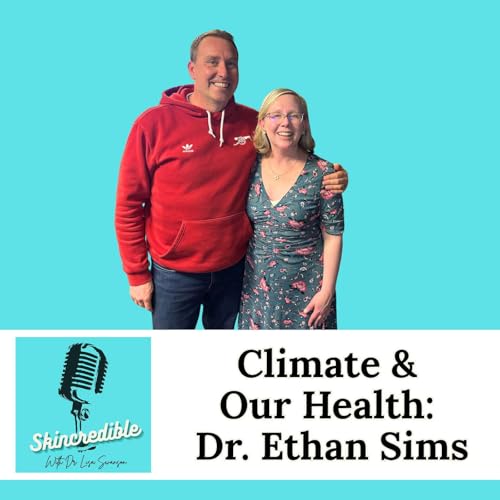
Skincredible cover art

Skincredible

Skincredible

By: Elizabeth Swanson M.D.
Listen for free

Summary

A board-certified pediatric dermatologist cuts through the chaos of social media skincare advice. Informative, fun, and clear episodes that debunk myths, explain real science, and help patients and parents make confident decisions about their skin and their child’s skin. No fluff. No fear. Just facts.


Dr. Lisa Swanson is a board-certified dermatologist and pediatric dermatologist. After going to college at the University of Colorado at Boulder, she obtained her medical degree from Tulane University School of Medicine in New Orleans. She performed her dermatology residency at Mayo Clinic in Rochester, Minnesota.

After that, she completed a fellowship in Pediatric Dermatology at Phoenix Children’s Hospital in Arizona.


She was in private practice in Colorado for a decade and then moved to Boise, Idaho in summer 2020 to become the first and only pediatric dermatologist in the state of Idaho. She is active in local and national medical societies and organizations. She loves lecturing at conferences discussing pediatric dermatology with audiences across the country. Since moving to Idaho, she works in private practice at Ada West Dermatology and she is also on staff at St Luke’s Children’s Hospital.


In her spare time, she enjoys binge watching television shows with her boyfriend Larry and cuddling with her 2 doggies Mosby and Maggie.

© 2026 Skincredible
Hygiene & Healthy Living Physical Illness & Disease Science
Episodes
  • Wrinkles, Brown Spots & Skin Cancer: Why Sun Protection Matters
    May 18 2026

    In this episode of Skincredible, Dr. Swanson and Ana dive deep into one of the most important — and most misunderstood — topics in skincare: sun protection. May is Skin Cancer Awareness month, so what a better time to explore options for protection! From sunscreen myths and tanning bed dangers to mineral vs. chemical sunscreens, SPF confusion, vitamin D debates, and even viral social media trends, this episode breaks down what’s fact, what’s fiction, and what actually protects your skin.

    Dr. Swanson explains how UV exposure can cause skin cancer, why childhood sun exposure matters so much, and how sun damage contributes to wrinkles, brown spots, and premature aging. The conversation covers sunscreen ingredients, favorite dermatologist-approved products, protective clothing, hats, sunglasses, spray tans, Heliocare supplements, and practical ways to enjoy the outdoors while still protecting your skin.Plus: funny vacation sunburn stories, risks of contracting viruses with tanning bed use, the return campaign for COTZ Silky Foam sunscreen, a discussion about Australia’s impressive sun safety culture, and why every parent should watch the Bluey episode “The Pool.”Whether you’re a sunscreen skeptic, skincare enthusiast, outdoor adventurer, or parent trying to protect your kids, this episode is packed with practical advice, science-backed information that feels conversational and easy to apply (no sunscreen pun intended). Topics Covered:
    • Mineral vs. chemical sunscreen
    • SPF myths and misconceptions
    • Tanning beds and melanoma risk
    • Sun protection for kids
    • Vitamin D and sunlight
    • Spray tans vs. tanning beds or sun tanning
    • Sun-protective clothing and hats
    • Tips for skin cancer prevention
    • Anti-aging benefits of sunscreen
    • Heliocare and antioxidant support
    • Social media misinformation
    • Favorite dermatologist-approved products

    Thanks for listening to Skin Incredible! Don’t forget to subscribe, leave a review, and share this episode with someone who would benefit!


    A SPECIAL DISCOUNT CODE: Swim Zip was kind enough to offer 20% off EVERYTHING on their website for our listeners. Use the code “skincredible” at checkout at www.SwimZip.com or simply use this link to apply the code automatically: https://swimzip.com/discount/skincredible


    Additional links or resources

    Trucker Article Reference

    Fortification of Foods with Vitamin D Article I; Article II

    Swim Zip

    AAD Shade Structure Grant


    Chapters

    00:00 Introduction to Sun Protection

    00:44 Personal Dermatology Stories

    02:00 Understanding Sun Damage

    04:00 Sunscreen Types and Controversies

    11:44 Importance of SPF

    16:14 Preventing Wrinkles, Sun Spots

    17:22 Importance of Vitamin D

    19:40 Products with Added Vitamin D

    10:45 Tanning Beds

    24:20 Tanning Addictions

    25:00 Herpes and Genital Warts Via Tanning

    28:22 Other Ways to Protect : Hats

    33:22 Other Ways to Protect : SPF Clothing

    37:00 Other Ways to Protect : Sunglasses

    40:00 Paramedian Forehead Flap

    42:00 Sun In Australia

    43:15 AAD Shade Structure Grant

    43:45 Bluey The Pool

    45:30 Social Media Whispers: Anal Sunning

    47:50 Social Media Whispers: Hormone Disruption

    48:20 Social Media Whispers: Sunblocks VS. Sunscreen

    48:20 Social Media Whispers: Inflammation In the Skin

    50:30 Heliocare

    53:20 Social Media Whispers: Homemade Sunscreen

    54:00 Social Media Whispers: Coral Reef

    55:56 Humans Benefit From the Outdoors

    57:26 Conclusion

    Send us Fan Mail

    The information shared on this podcast is for educational purposes only and is not a substitute for personalized medical advice. Always consult your physician regarding your health.

    Show More Show Less
    58 mins
  • What An Emmy-Winning Meteorologist Wants You to Know About Weather & Climate Change
    May 11 2026

    Most discussions about climate change focus on melting glaciers and rising sea levels, which are both important— but what about its direct impact on you? In this educational episode of Skincredible, Dr. Lisa Swanson is joined by Emmy Award–winning meteorologist Felicia Combs of The Weather Channel (Bio linked below). The conversation dives into the reality of climate change, and why we should all pay attention and hopefully do our part to help combat it. We will all be reminded of how COVID shutdowns temporarily improved air quality and what that tells us about our ability to impact our environments directly. Whether you're a climate skeptic, a health-conscious individual, or just curious about the future, Felicia offers practical and engaging insights you will learn from.

    Felicia breaks down the difference between weather and climate in a way that really makes sense, she also explains how a changing climate may contribute to stronger hurricanes, shifting tornado patterns, intensifying droughts, and even increasing airplane turbulence. From wildfires in unexpected places like Georgia to rapidly intensifying hurricanes in recent history, this episode connects the dots between science, daily life, and the future of our planet.

    In this episode we also explore the human side of extreme weather—what happens after storms pass, how communities rebuild, and why climate impacts extend far beyond the headlines. Plus, we tackle common misconceptions, the role of misinformation, and what individuals can realistically do to make a difference.

    To wrap things up, Dr. Swanson and Felicia lighten the mood with some jokes about bunkers and a little bit of hope for what feels like a very daunting topic. This episode is eye-opening, informative, and empowering—and might just change the way you think about the forecast.

    Don’t forget: Wear your sunscreen—no matter the forecast.

    Keywords

    Dermatology, weather, climate change, storms, changing weather, hurricanes, greenhouse gasses, melting ice caps, melting glaciers, tornadoes, climate, fires, environment, environmental risk factors, extreme weather, extreme storms, The Weather Channel, Lisa Swanson, Felicia Combs

    Links, Attachments

    Felicia Combs BIO

    Chapters

    00:00 Welcome and Introduction

    01:45 Is Climate Change Real?

    03:05 Connecting Weather & Long Term Trends

    05:00 Warming & Fossil Fuels

    06:15 When We Started Noticing Changes

    07:20 Pandemic & Changes in Environment

    10:44 Tornadoes, Wildfires, Droughts

    14:27 How hurricanes are Formed

    15:44 Storms Intensifying More Quickly

    17:15 Lives Impacted Due to Major Natural Events

    19:00 Meteorologists In Storms

    22:00 Insurance, Trickle Down Effects

    25:25 Felicia’s Journey to Becoming a Meteorologist

    26:13 Preparation, Not Fear

    28:00 Turbulence in Clear Air & Flights in General

    29:44 Delta Meteorologist Partnership

    31:02 Vermont, Safest Cities?

    32:50 Climate Modeling, Predictions

    35:32 Paradise Show, Super Tsunami, Ash

    37:30 Cloud Seeding, Silver Iodide

    39:40 CO2 Removal, Basalt, Seaweed, Kelp

    42:30 Bluey Pitch

    43:04 Thank You & Closing

    43:28 Bunker 5 Things You Would Take


    Send us Fan Mail

    The information shared on this podcast is for educational purposes only and is not a substitute for personalized medical advice. Always consult your physician regarding your health.

    Show More Show Less
    46 mins
  • You Are What You Breathe: Dr. Ethan Sims Talks About the Environment and Your Health
    May 4 2026

    In this episode of Skincredible, Dr. Lisa Swanson sits down with ER physician and climate health advocate Dr. Ethan Sims for an engaging, wide-ranging conversation that connects climate change directly to human health—right here in Idaho and across the globe.

    They kick things off with lighthearted “two likes and two dislikes” (including a surprising anti-chocolate stance and a shared love of dogs), before diving into the serious reality that climate change is not just an environmental issue—it’s a healthcare issue.

    Dr. Sims shares how a smoky, record-breaking summer sparked his journey into climate advocacy and walks listeners through the many ways climate change is already affecting our bodies. From extreme heat—which doesn’t just cause heat stroke but worsens heart disease, kidney disease, and even increases rates of violence—to intensifying storms that leave long-term mental health scars, this episode unpacks how environmental shifts ripple through every aspect of health.

    They explore worsening air quality and the hidden dangers of microscopic pollutants. The conversation also covers the spread of mosquito-borne illnesses into new regions, the growing threat of water scarcity in the Mountain West, and how changing environments may be contributing to the rise in autoimmune and inflammatory diseases.

    Beyond the challenges, Dr. Swanson and Dr. Sims highlight solutions—from improving indoor air quality and reducing food waste at home to rethinking healthcare practices that contribute significantly to carbon emissions. They discuss practical changes already making a difference, like switching anesthetic gases, reducing medical waste, and simple energy-saving strategies within hospitals. The episode also touches on innovative (and sometimes imperfect)—emphasizing that there is no single fix, but rather millions of “small buttons” we can all push.

    Blending science, personal stories, humor, and actionable insights, this conversation balances honest discussion of risks with a sense of empowerment. The takeaway: while the problem is big, meaningful change starts with awareness, conversation, and everyday action.

    Because when it comes to the future of our health—and our planet—we’re choosing hope.

    Keywords

    Dermatology, climate change, health, environment, wildfire, heat, medical impacts, sustainability, public health, Idaho, global warming, human health, air quality, extreme weather, infectious diseases, regenerative agriculture, cloud seeding, water scarcity, mental health, autoimmune diseases climate change, carbon removal, regenerative farming, seaweed farms, carbon capture, sustainability, environmental solutions, healthcare sustainability, climate tech, individual action

    Links, Attachments

    What you can do according to Project Drawdown

    Chapters

    00:00 Intro and Welcome

    01:19 2 Likes 2 Dislikes

    11:40 How Climate Change Impacts Health

    12:57 How Dr. Sims Got Interested in Climate

    15:33 Age 47.3 is the Unhappiest?

    21:00 Heat, Exposure and Violent Crimes

    23:00 Extreme Weather

    25:00 Chronic Mental Health Impacts

    26:00 Least Vulnerable Places

    27:45 Air Quality, Filtration

    32:15 Mosquitoborne Illnesses

    34:20 Water Scarcity, Desertification

    39:00 Cloud Seeding

    41:00 Regenerative Agriculture

    43:00 Autoimmune & Inflammatory Diseases

    47:22 Carbon Emissions

    56:30 Electric Cars

    57:00 Action is the Antidote to Despair

    01:00:00 Hospital Efforts

    Send us Fan Mail

    The information shared on this podcast is for educational purposes only and is not a substitute for personalized medical advice. Always consult your physician regarding your health.

    Show More Show Less
    1 hr and 12 mins
adbl_web_anon_alc_button_suppression_c
No reviews yet